

Over 80% of AI projects fail to reach production. Discover the 4 critical mistakes businesses make and how to successfully deploy AI that drives real ROI.

eCommerce
Stop tracking and start asking! Explore the power of privacy-led marketing in luxury and find out why digital discretion is the secret to winning the hearts of high-net-worth customers this year.
In the industry of high-end retail, exclusivity has always been the ultimate currency. As we move through 2026, a new form of exclusivity is taking center stage. We call it digital discretion. At Resolve Digital, we have watched the glass boutique effect take hold of the industry. For years, luxury eCommerce thrived on knowing everything about a client before the client even knew it themselves. Today, the walls of that glass boutique are being reinforced with ironclad privacy shields. The era of tracking by default is over. It has been replaced by a sophisticated dance of consent and craftsmanship. If you are running a luxury brand, you are not just selling a product anymore. You are selling the peace of mind that comes with sophisticated luxury brand data protection and consumer trust. Here is how the landscape has shifted in 2026 and what you need to do to stay ahead of the curve.
By now, most of us are familiar with the foundations of GDPR in Europe and CCPA in California. However, in 2026, the regulatory environment for data privacy regulations luxury eCommerce has matured into something much more complex and global. The biggest disruptor this year is the full implementation of the EU AI Act. In the summer of 2026, any luxury brand using artificial intelligence for personalized styling or virtual mirrors must prove that their algorithms are ethical and transparent.
The end of dark patterns is perhaps the most visible change for consumers. Regulators are now finding brands that use tricky user interface designs to nudge users into consenting to tracking. In luxury, where the user experience is everything, your consent banners must now be as elegant and honest as your landing pages. A clunky or aggressive pop-up window is the digital equivalent of a security guard hovering too closely over a customer in a boutique. It ruins the mood and breaks the immersion.
In the United States, litigation surrounding the California Invasion of Privacy Act, or CIPA, has exploded. Brands using session replay tools that record how a user moves their mouse are being hit with class-action suits if they do not have explicit and granular consent. For luxury brands that rely on heatmaps to optimize their high-converting product pages, this requires a total rethink of how they gather site performance data.
Furthermore, with the high-net-worth market in India booming, the Digital Personal Data Protection Act has become a primary concern for global luxury houses. It requires a consent manager framework that is much stricter than what many brands were used to in previous years. The cost of non-compliance is no longer just a fine. It is a stain on the brand heritage. When a legacy brand is caught mishandling data, it signals to the modern consumer that the brand is out of touch with contemporary values of respect and privacy.
We used to think of privacy as a legal hurdle to overcome. In 2026, we think of it as a marketing asset. Privacy-led marketing in luxury is about doing things better. Think of it this way. In a physical flagship store on Bond Street or 5th Avenue, a sales associate does not follow a customer into the dressing room with a clipboard. They wait and they observe from a respectful distance. They offer help only when the moment is right. Privacy-led marketing in luxury translates this discreet service to the digital world.
Since third-party cookies are now essentially a museum artifact, luxury brands are winning by asking instead of tracking. This is the core of zero-party data. Style quizzes are a perfect example. Instead of retargeting a user because they looked at a silk scarf, brands are inviting users to take a seasonal palette quiz. This allows the customer to volunteer their preferences in a way that feels like a value-add service rather than an interrogation. When a customer tells you they prefer cool tones and sustainable fabrics, you are gaining high-quality data that is far more accurate than any algorithm could guess by watching their clicks.
Preference centers have also evolved. High-end brands are now giving VIPs a privacy dashboard where they can toggle exactly what kind of data they want to share. In return, they get a more curated experience that feels earned rather than forced. This creates a psychological shift. The customer feels like they are in the driver seat of the relationship. When a brand respects the digital boundaries of a customer, it creates a sense of safety. This safety is the foundation of a long-term relationship.
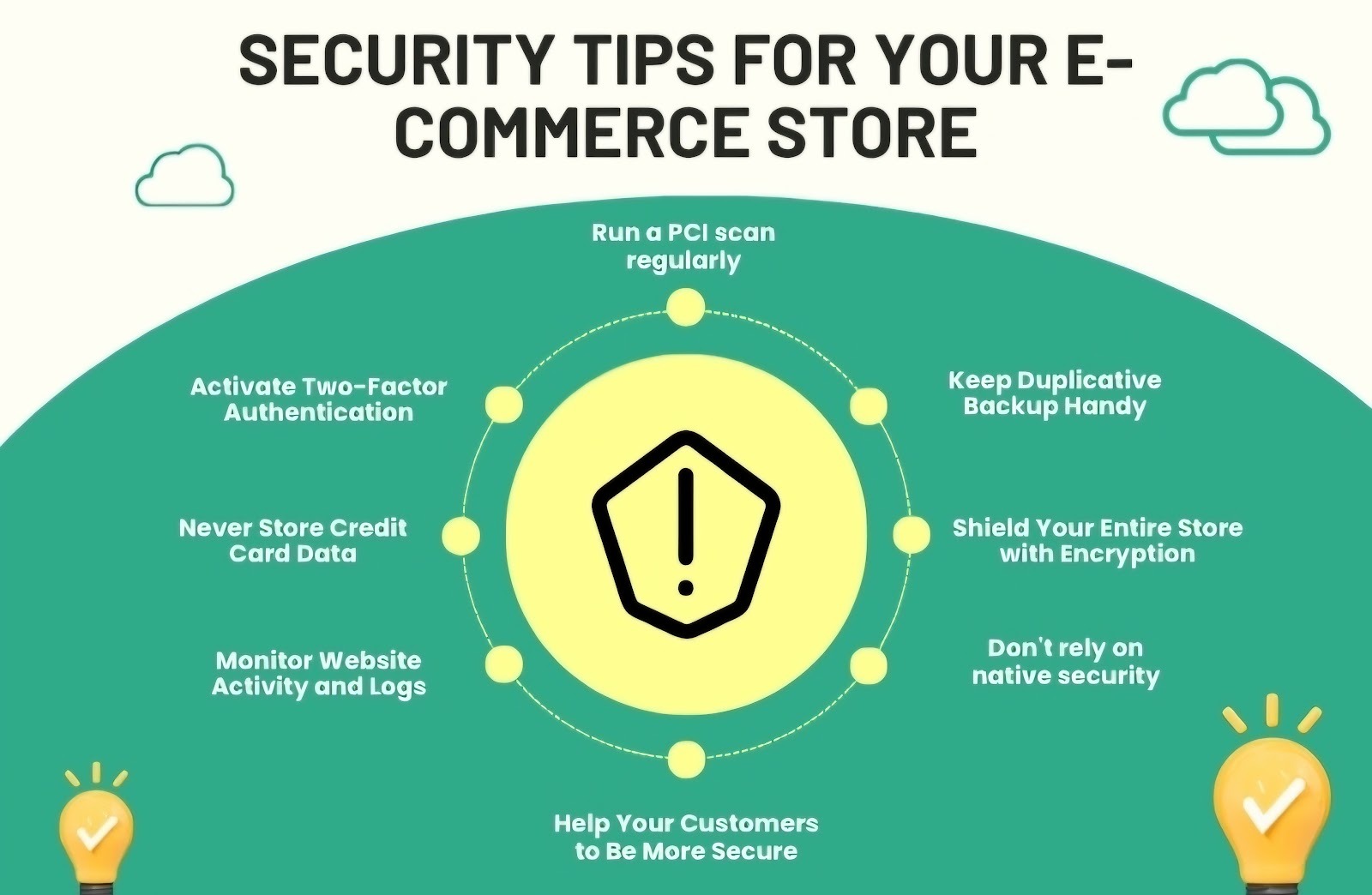
To comply with modern data privacy regulations and luxury eCommerce standards, your tech stack probably needs a facelift. For now, server-side tracking is the gold standard for high-end digital architecture. In the old days, brands used browser-based tracking. This meant that every time a user visited a site, dozens of different scripts from social media platforms and analytics tools would fire off directly from the user's device. This was messy, slow, and terrible for privacy. Now, luxury brands use server-side logic and this allows the brand to act as a gatekeeper. Instead of letting twenty different platforms grab data directly from your customer, the data goes to your own private server first. You clean it, you anonymize it, and then you send only what is necessary to the advertising platforms.
This shift toward server-side logic is not just about compliance. It is about performance. By removing heavy tracking scripts from the browser, your website loads faster. In the luxury world, speed is a component of elegance. A three-second delay is the difference between a sale and a bounce. Beyond speed, server-side tracking gives you absolute control over what data leaves your ecosystem. It ensures that your customer data stays within your walls, which is essential for maintaining luxury brand data protection and consumer trust.
Trust is the most expensive thing you cannot buy. For a luxury brand, a data breach is not just a legal disaster. It is a brand-ending event. When a customer spends thousands of dollars on a handbag or a watch, they are also trusting you with their home address, their phone number, and their spending habits. In 2026, luxury brand data protection and consumer trust are linked through a concept we call radical transparency.
Some brands are now highlighting their military-grade data vaults in their about us sections. They place this information right next to the stories of their Italian leather artisans or Swiss watchmakers. They are making the security of the data part of the craftsmanship of the brand. This tells the customer that the brand cares as much about the digital stitch as they do about the physical one.
Making it easy for a customer to delete their data is actually a trust-builder. It shows you are not holding them hostage. Many luxury brands have moved the delete my data button from a hidden sub-menu to the main account dashboard. If a client knows they can leave at any time and take their data with them, they are actually more likely to stay and engage. It removes the friction of the relationship and builds a sense of mutual respect.
There is a fine line between a brand being attentive and being creepy. In 2026, AI-driven personalization can easily cross that line if it is not handled with grace. If a customer mentions a destination wedding in a chatbot and three minutes later they see an ad for wedding guest dresses on social media, they do not feel seen. They feel watched. This creates a visceral reaction that can drive a high-net-worth individual away from a brand forever.
One of the best strategies is to delay gratification. Do not use data instantly. If you have learned something about a client's preferences through a conversation or a quiz, wait for the next organic touchpoint to reflect it. This feels more natural and less like a surveillance operation.
Another strategy is to state the source. If your AI recommends a product, tell the user why. You might say that because they mentioned they like minimalist aesthetics in their last purchase, they might enjoy this new collection. This small bit of transparency removes the anxiety of wondering how the brand knew that information. It turns a mystery into a helpful suggestion.
Currently, luxury is defined by how a brand treats the things that are invisible. Data is the most valuable invisible asset a customer owns. Luxury houses that have survived for centuries did so by adapting to the values of their time. Today, those values are centered on digital sovereignty and the right to privacy. When you prioritize data ethics, you are telling your most valuable customers that you respect them. You are saying that you value their presence more than their data points. Ironically, that is exactly the kind of message that makes a customer want to stay and share even more. In a world where data is constantly being harvested and sold, a brand that stands for data protection becomes a sanctuary. This sanctuary is where the modern luxury consumer wants to spend their time and money.
To ensure your brand is meeting the highest standards of data privacy regulations luxury eCommerce while maintaining your high-touch feel, consider these steps:
Resolve Digital acts as the bridge between cutting-edge technology and the timeless values of the luxury world. We believe that your digital presence should be as refined and secure as your physical flagship store. Our team specializes in helping high-end brands navigate the complex landscape of data privacy regulations luxury eCommerce depends on today. We focus on building sophisticated systems that prioritize luxury brand data protection and consumer trust without compromising on the user experience. By merging technical expertise with a deep understanding of the luxury mindset, we ensure your brand remains a leader in the age of privacy-led marketing in luxury. Contact us today to learn how we can help you turn privacy into your greatest competitive advantage!
The right partnership can help you elevate your online presence and grow your business by attracting your dream customers. Whether you're looking to develop a luxury eCommerce store from scratch, improve your existing site, or migrate to a different platform, Resolve Digital can help you succeed. Get in touch to learn more about our end-to-end eCommerce services!