

Over 80% of AI projects fail to reach production. Discover the 4 critical mistakes businesses make and how to successfully deploy AI that drives real ROI.

Custom Development
Generic platforms limit growth. This post explains why luxury brands are turning to custom development for long-term scalability and control.
%2016.15.55.png)
Luxury shopping has never been about convenience alone. It has always been about experience, emotion, and intention. Yet as more premium brands move online, many discover that the very tools designed to make eCommerce “easier” quietly strip away the qualities that make luxury feel special. Templates begin to look familiar, customer journeys feel predictable, and exclusivity becomes difficult to protect. This shift is why leading luxury shopping platforms are rethinking their technology foundations. Instead of bending their brand to fit plug-and-play systems, they are choosing custom development, platforms built around their identity, their customers, and their long-term vision. In this post, we explore what’s driving this transition, where off-the-shelf tools fall short, and why custom-built solutions are becoming the standard for luxury brands that refuse to blend in.
Luxury shopping platforms operate in a very different environment compared to mass-market eCommerce. Brand perception, exclusivity, and customer experience carry far more weight. This is where the contrast between plug-and-play tools and custom development becomes clear.
Plug-and-play platforms are designed for speed and simplicity. They provide ready-made templates, built-in integrations, and standardized features that help businesses launch quickly. For luxury brands, this approach may work during early experimentation. However, these tools are built to serve a wide range of industries, which means they prioritize general usability over brand depth. Design flexibility is limited, workflows are predefined, and the overall experience often feels familiar to users who have shopped on dozens of other platforms. As a result, luxury platforms risk blending in rather than standing out.
Luxury shoppers expect more than functional checkout flows. They expect a digital experience that reflects craftsmanship, attention to detail, and exclusivity.
Plug-and-play tools struggle to support:
→ Highly customized product storytelling and immersive visuals
→ Complex pricing models, private collections, or invitation-only access
→ Deep personalization based on customer history and behavior
→ Seamless omnichannel experiences across boutiques, private showrooms, and online platforms
When brands try to force these requirements into prebuilt systems, they often rely on heavy workarounds, third-party plugins, or compromises that weaken the overall experience.
With custom development, every interaction can be intentionally designed to reflect the brand’s identity. From subtle animations and transitions to bespoke navigation flows, nothing feels generic.
Luxury platforms can create:
→ Unique browsing journeys tailored to high-intent buyers
→ Editorial-style product pages that feel more like digital magazines
→ Exclusive member areas that reinforce scarcity and prestige
Luxury customers value recognition. Custom-built platforms allow deeper personalization by integrating data from CRM systems, loyalty programs, in-store interactions, and concierge services.
This enables platforms to deliver:
→ Curated product recommendations for returning clients
→ Personalized content based on purchase history and preferences
→ Private launches or early access experiences for VIP customers
Plug-and-play tools often offer basic personalization, but they rarely support this level of nuance without performance or data limitations.
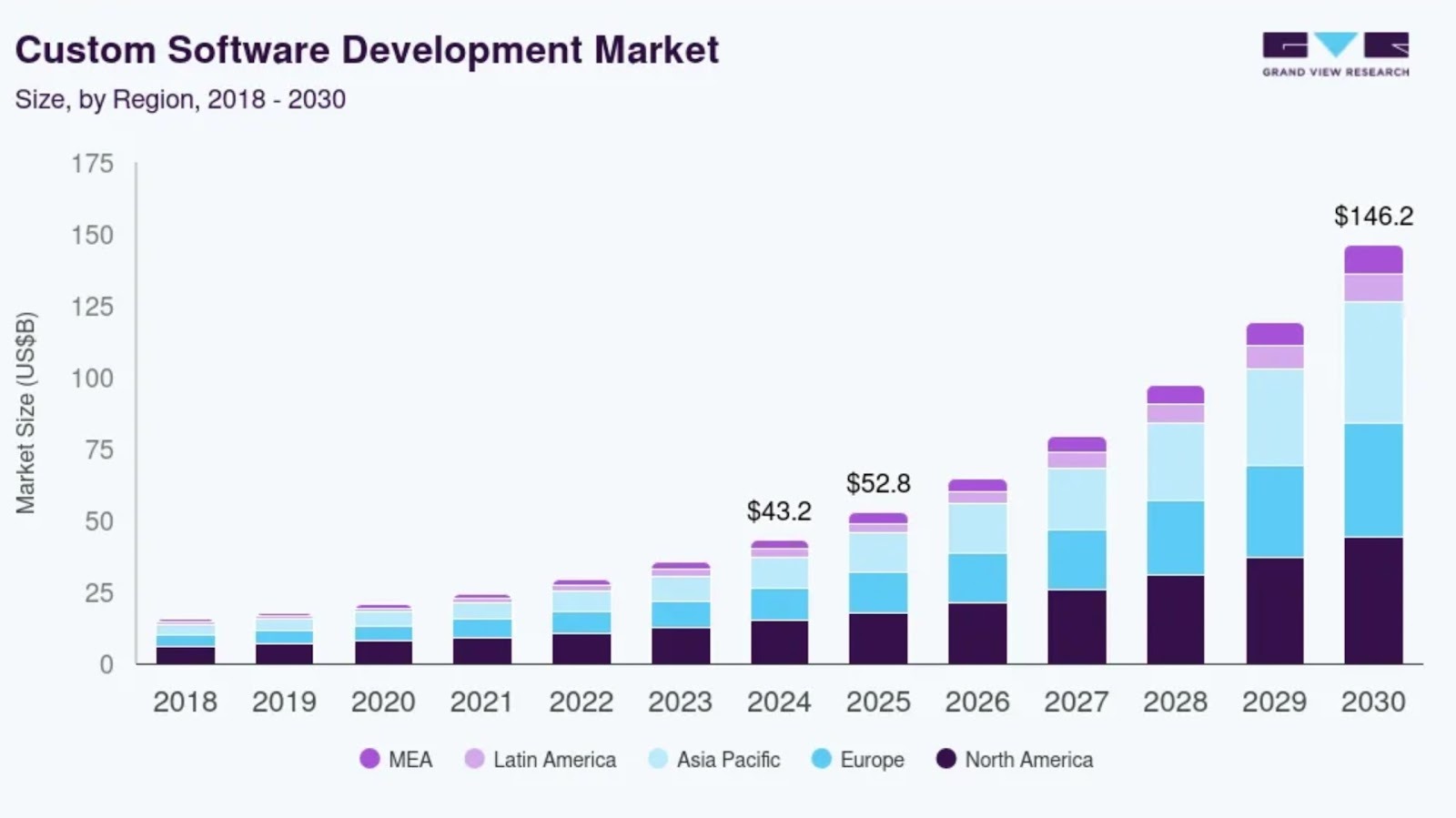
As luxury platforms grow, their technical needs become more complex.
Plug-and-play tools are optimized for standard use cases. As traffic increases or functionality expands, performance can suffer. Brands may face:
→ Slower load times during exclusive launches or sales
→ Restrictions on backend logic and integrations
→ Dependency on platform updates and feature roadmaps
Custom platforms are designed with scalability in mind. Architecture can be tailored to handle high traffic volumes, global audiences, and complex integrations without compromising performance.
This allows luxury brands to:
→ Launch limited collections without downtime
→ Expand into new regions with localized experiences
→ Integrate emerging technologies without platform limitations
Trust is central to luxury commerce, especially when handling high-value transactions and sensitive customer data.
Prebuilt platforms often control key aspects of hosting, security updates, and data storage. While this reduces initial setup effort, it also limits control.
Brands may face:
→ Shared infrastructure risks
→ Limited flexibility in security protocols
→ Constraints on how customer data is stored and used
For luxury platforms, these compromises can be unacceptable.
Custom-built solutions give brands complete ownership over their infrastructure and data. Security measures can be tailored to specific business needs, compliance requirements, and regional regulations.
This level of control strengthens:
→ Customer trust and confidence
→ Data-driven decision-making
→ Long-term platform stability
At first glance, plug-and-play tools appear more cost-effective. However, luxury brands often discover hidden costs over time.
As customization needs increase, brands incur expenses through:
→ Premium plugins and third-party integrations
→ Platform transaction fees
→ Development workarounds and maintenance challenges
These ongoing costs can accumulate without delivering a truly differentiated experience.
Custom development requires higher upfront investment, but it delivers long-term value. Brands gain a platform that evolves with their strategy rather than limiting it.
Over time, this approach often results in:
→ Lower dependency on external tools
→ Better performance and conversion rates
→ A stronger, more defensible digital brand presence
For leading luxury shopping platforms, the choice becomes less about convenience and more about control, differentiation, and long-term growth.
Choosing a custom development agency is a trust-based decision. For luxury shopping platforms especially, security, data protection, and long-term reliability cannot be compromised. An authentic agency will always demonstrate transparency, accountability, and mature security practices from the very first interaction.
→ Clear legal identity and verifiable business presence: A legitimate custom development agency will have a registered business entity, clear ownership details, and a traceable physical or operational presence. This includes official documentation, transparent contracts, and publicly available company information. If an agency avoids sharing these details or operates with vague credentials, it is a strong warning sign.
→ Structured contracts with defined security responsibilities: Authentic agencies never rely on informal agreements. They provide well-defined contracts that clearly outline data ownership, intellectual property rights, confidentiality obligations, and security responsibilities. These documents protect both parties and show that the agency understands the legal and technical risks involved in custom development projects.
→ Proven experience with secure, real-world projects: Reputable agencies can demonstrate experience through case studies, portfolios, or client references that reflect real-world complexity. This includes handling sensitive customer data, secure payment systems, and compliance-heavy environments. Authentic teams are comfortable explaining how security was handled in past projects rather than avoiding technical discussions.
→ Strong approach to data protection and access control: An authentic development agency follows strict data access protocols. This means role-based access, controlled environments, and clear internal policies on who can view or modify sensitive information. Agencies that treat data casually or lack internal security processes pose a serious risk to your platform and customers.
→ Security-first development practices: True professionals embed security into every stage of development, not as an afterthought. This includes secure coding standards, regular code reviews, vulnerability testing, and controlled deployment processes. Agencies that prioritize speed over security often leave systems exposed to long-term threats.
→ Transparent communication and documentation: Trustworthy agencies communicate openly about timelines, risks, and limitations. They document decisions, system architecture, and security measures clearly. A lack of documentation or overly vague explanations often indicates inexperience or intentional opacity.
→ Compliance awareness and regulatory understanding: Authentic agencies are aware of industry regulations and regional data protection laws. They understand how compliance impacts system design, hosting decisions, and data handling. Even if they are not legal advisors, they proactively build platforms that align with regulatory expectations.
→ Ongoing support and post-launch accountability: Security does not end at launch. A genuine agency offers ongoing maintenance, monitoring, and support to address vulnerabilities as they arise. They take responsibility for the stability and safety of the platform beyond initial delivery.
→ Ethical pricing and realistic promises: Finally, authenticity shows in honesty. Agencies that guarantee unrealistic timelines, flawless systems, or unusually low pricing often cut corners on security. Trusted partners set realistic expectations and explain the trade-offs clearly.
Resolve Digital prefers that luxury platforms should be constrained by templates, shortcuts, or one-size-fits-all technology. We exist to help ambitious brands take full ownership of their digital presence, building custom ecosystems that feel as refined, intentional, and distinctive as the products they represent. Our work is grounded in deep technical thinking, security-first architecture, and a clear understanding that long-term scalability matters just as much as first impressions. We partner with teams that are ready to move beyond plug-and-play limitations and invest in platforms designed around their vision, their customers, and their future growth. Every solution we deliver is purpose-built, performance-driven, and crafted to evolve as the brand does. If you’re ready to create a digital experience that truly reflects your brand’s standard, contact us and let’s start discussing strategies on a complimentary strategy call!
The right partnership can help you elevate your online presence and grow your business by attracting your dream customers. Whether you're looking to develop a luxury eCommerce store from scratch, improve your existing site, or migrate to a different platform, Resolve Digital can help you succeed. Get in touch to learn more about our end-to-end eCommerce services!