
85% of organizations use AI agents today. Discover what they do, the ROI they deliver, and why waiting could cost your business.

eCommerce
Scaling a premium brand requires more than just a website. Explore our insights on the D2C business model and effective global ecommerce scaling to reach elite international consumers.

The luxury market is no longer just about the product in the window. It is about the data in the cloud and the experience on the screen. As we look toward the near future, the stakes are rising. In fact, global retail sales are expected to exceed $4.9 trillion by 2030. For high-end labels, this means the D2C business model is no longer a choice. It is a survival requirement. But simply having a website is not enough. To stay relevant, brands must move from being online to being omnichannel, blending digital ease with the high-touch feel that luxury customers expect.
For a long time, luxury brands grew by simply raising their prices. Recent data shows that between 2019 and 2023, about 80% of luxury growth came from price hikes rather than selling more items. However, that strategy is hitting a wall. Consumers are becoming more selective. They are looking for investment pieces and genuine craftsmanship. A resilient luxury brand ecommerce strategy must now focus on justifying those price tags through deep storytelling. You are not just selling a bag. You are selling the heritage, the artisan touch, and a sense of belonging. If your digital platform feels like a generic storefront, you lose the luxury feel immediately. Your website needs to act like a digital flagship store. It must be clean, fast, and highly personalized.This shift requires a change in how content is produced. It is no longer about mass marketing. It is about precision. Digital assets must reflect the same quality as a physical boutique. High-resolution video, 3D product modeling, and immersive storytelling are the new standards. When a customer lands on your page, they should feel the weight of the brand history within seconds. This is the only way to maintain premium positioning in a crowded digital space.
Expanding into new markets is where many brands stumble. It is easy to ship a product across the world, but it is hard to maintain a premium brand image while doing it. When considering global ecommerce scaling, you have to think hyper-local. What works in New York will not necessarily work in Mumbai or Dubai.
Currently, growth centers are shifting. While China remains important, markets like India, Japan, and the Middle East are emerging as the new hotspots for luxury spending. To succeed here, you need to understand local payment preferences, cultural nuances in marketing, and regional logistics. Scaling is not just about reaching more people. It is about reaching the right people in a way that feels native to them. For instance, the way a customer interacts with a brand in Japan involves a high degree of trust and meticulous attention to detail in packaging. In contrast, a luxury shopper in the UAE might prioritize speed of delivery and exclusive, invite-only digital events. A global strategy that treats all these regions the same is destined to fail. Resilience comes from being flexible enough to adapt to local traditions while keeping the core brand identity consistent.
Technology in luxury should be like a great butler. It should be always there when you need it, but never in your way. Artificial Intelligence and Augmented Reality are the new tools of the trade.
If you want to know how to scale a luxury D2C brand globally, you must invest in these invisible layers. They remove the friction from the buying process. When a customer can find exactly what they want and check out in two clicks, they are much more likely to return. Furthermore, data privacy is a luxury in itself. High-net-worth individuals are increasingly concerned about how their information is used. A resilient strategy involves top-tier cybersecurity and transparent data practices. Luxury is about feeling safe and exclusive. If your website feels invasive or insecure, that feeling of exclusivity vanishes instantly.
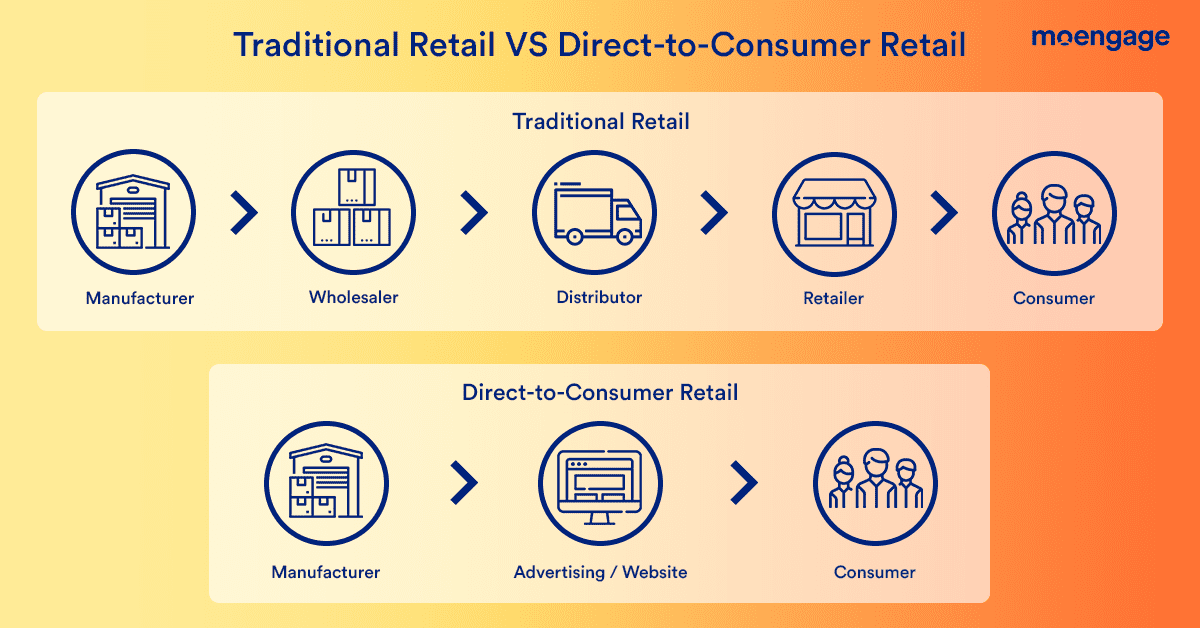
We are seeing a major trend where D2C brands are moving back into physical spaces, but with a twist. These are not just stores. They are experience hubs. A customer might discover a brand on Instagram, book a VIP appointment via an app, try the item on in a boutique, and then have it shipped to their home. This phygital approach is a core part of any modern luxury brand ecommerce strategy. It reduces return rates, which can be a huge margin-killer in fashion, and builds a much stronger emotional bond with the buyer. Physical stores provide the touch and feel that the internet still cannot replicate, while the D2C business model provides the data and convenience.
In these hubs, the staff should have access to the customer digital profile. If a client has been looking at a specific silk scarf online for three weeks, the shop assistant should know this the moment they walk in. This level of service is what defines modern luxury. It bridges the gap between the efficiency of a computer and the warmth of human interaction.
Shipping a $5,000 item is not the same as shipping a $20 shirt. The unboxing experience is part of the product. When you are looking at global ecommerce scaling, your logistics partner becomes a brand ambassador.
Resilience in logistics also means having a plan for disruptions. Whether it is a trade issue or a supply chain delay, a global brand must have diversified fulfillment centers. Relying on a single point of origin is a risk that luxury brands can no longer afford to take. By localizing inventory in key regions like Europe, North America, and Asia, brands can ensure that their most loyal customers are never left waiting.
In the digital age, exclusivity is harder to maintain. If everyone can buy it, is it still luxury? This is the paradox of the D2C business model. To solve this, brands are turning to digital community building. This includes private Discord servers, NFT-based loyalty programs, and early access for top-tier spenders. Building a community allows a brand to talk directly to its fans without the noise of social media algorithms. It creates a feedback loop where the brand can learn exactly what the customers want next. When you are figuring out how to scale a luxury D2C brand globally, remember that your best advocates are your existing customers. Turning them into a community makes the brand more resilient against market shifts.
Exclusivity can also be managed through digital waiting rooms or limited-edition drops that are only available through a specific app. This creates a sense of urgency and excitement. It mimics the velvet rope outside a high-end club, but in a digital format. It keeps the brand desirable while still allowing for the massive reach that the internet provides.
The most resilient brands are those that do not just chase trends. They use technology to enhance their core values. Whether it is using AI to manage inventory better or using blockchain to prove the authenticity of a product, the goal is always the same: trust. Learning how to scale a luxury D2C brand globally requires a mix of old-school craftsmanship and new-school tech. You need to be where your customers are, whether that is a physical boutique in Paris or a personalized feed on their mobile device. By focusing on value over volume and experience over just transactions, luxury brands can build a strategy that lasts for decades. To remain at the top, a brand must be obsessed with the customer journey. Every click, every email, and every delivery must be perfect. In the luxury world, there is no room for error. A single bad experience can tarnish a reputation that took a century to build. Therefore, the strategy must be tested and refined constantly.
In a world where technology moves faster than fashion trends, having the right technical foundation is everything. Resolve Digital’s expertise lies in helping brands navigate these complex digital shifts. Whether you are looking to integrate advanced AI features or need a more robust backend for your global operations, our team is here to help. We understand the specific needs of the B2B and luxury sectors, ensuring your tech stack is as refined as your brand. To help you get started, we provide a first free call for queries and you can contact us now to book it! This allows us to understand your specific challenges and show you how our expertise can drive your digital transformation.
The right partnership can help you elevate your online presence and grow your business by attracting your dream customers. Whether you're looking to develop a luxury eCommerce store from scratch, improve your existing site, or migrate to a different platform, Resolve Digital can help you succeed. Get in touch to learn more about our end-to-end eCommerce services!